
Run your whole manufacturing operation from one system
Award-winning AI-enabled cloud ERP software that connects production planning, inventory, job costing, and finance in one place.
- See live job costs as work happens
- Plan and order materials before each job starts
- Know your true margin on every job
- Deliver on time, every time
Trusted by Australian manufacturers
We now have a system that will support our growth for the next 10 years.
 Toni DoidgeCo-Founder, ATP Science
We've already seen a 2× ROI in operational efficiencies alone in the first 12 months.
 John BryantFinance Director, ABLP
No one can match the configurability and transparency we now give to customers.
 Paul GarrettExecutive GM, BX Bunka Australia
MYOB Acumatica will be a big growth facilitator for us moving forward.
 Sean AdamsManaging Director, CSF Industries
Scale profitably with a system built for your complexity
When planning, production, inventory and finance share one source of truth, the problems you've been tolerating stop being inevitable.
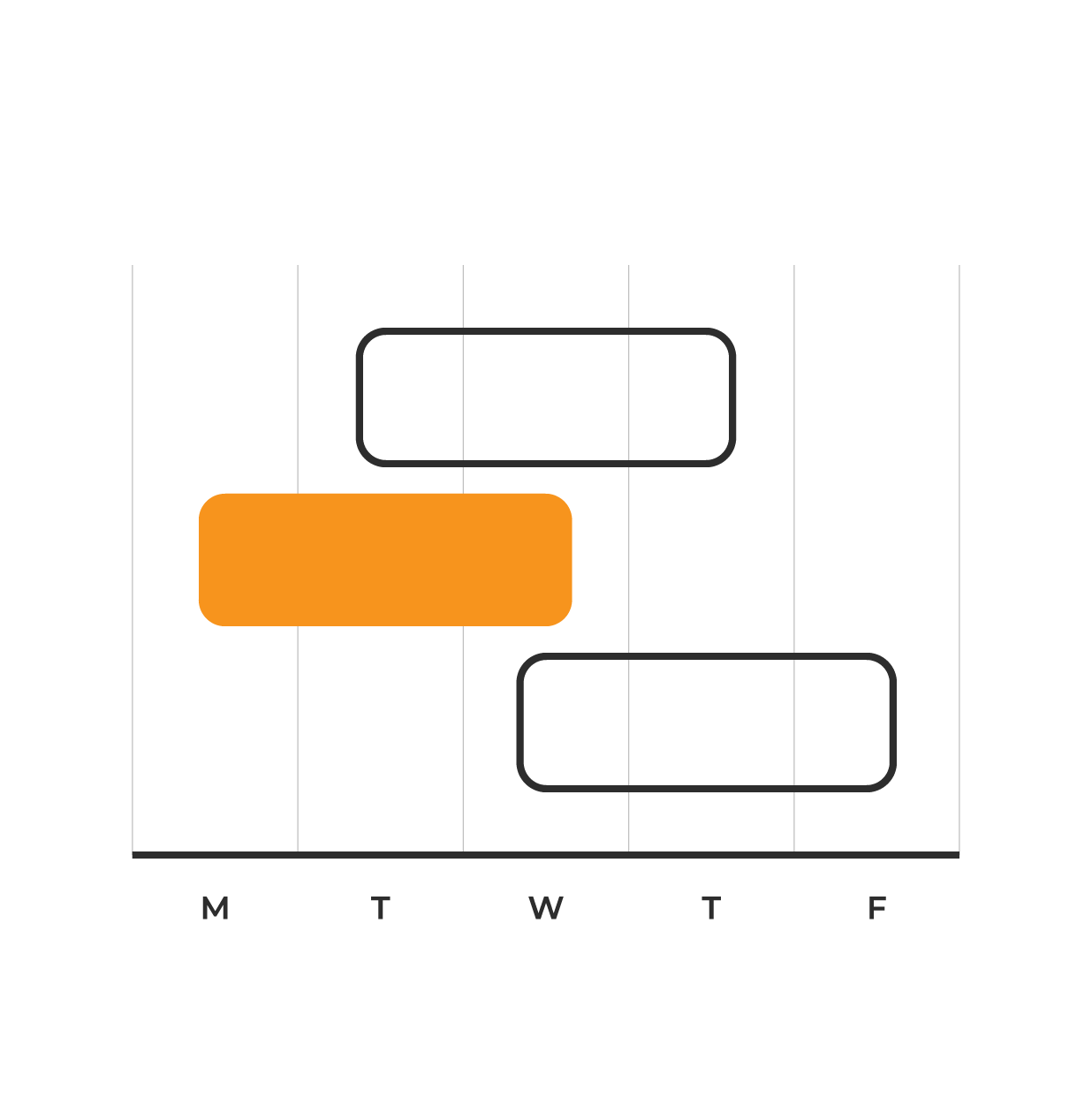
Plan and schedule from real data
Sequence every job from real data and see what's running, what's next, and where the bottlenecks are forming. When a priority changes, you can reschedule and see the flow-on effect across the floor straight away. Capacity, materials, and timelines sit in one view, so you commit to delivery dates knowing they hold up against what's actually on the floor.
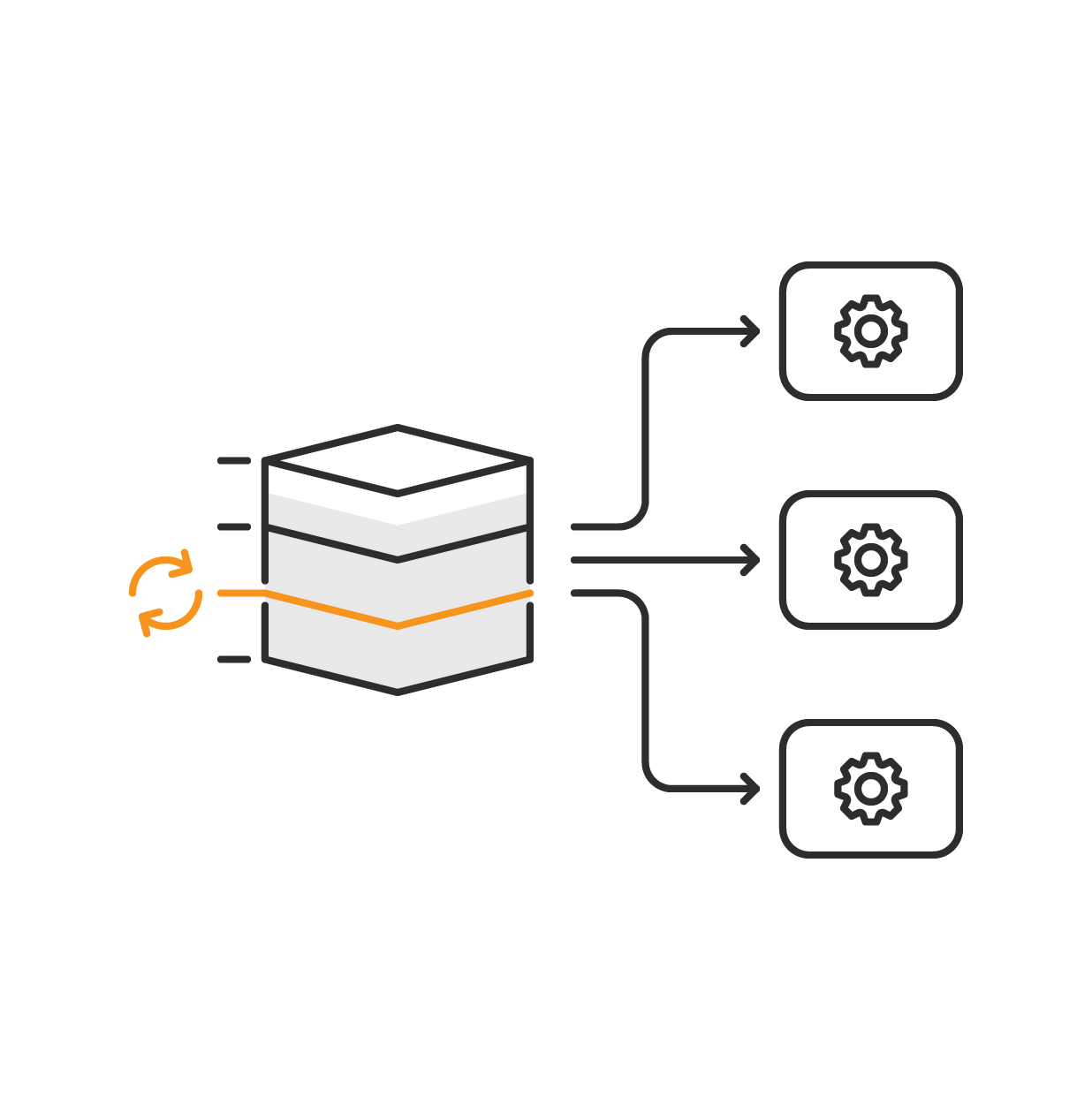
The right materials, ready for every job
Know exactly what each job needs and when to order it, with stock tracked across every job in progress. Materials are allocated to the jobs that need them, and reorder points trigger before you run short. The result is fewer stoppages waiting on parts, less capital tied up in stock you don't need yet, and an end to the emergency freight that quietly erodes job margin.
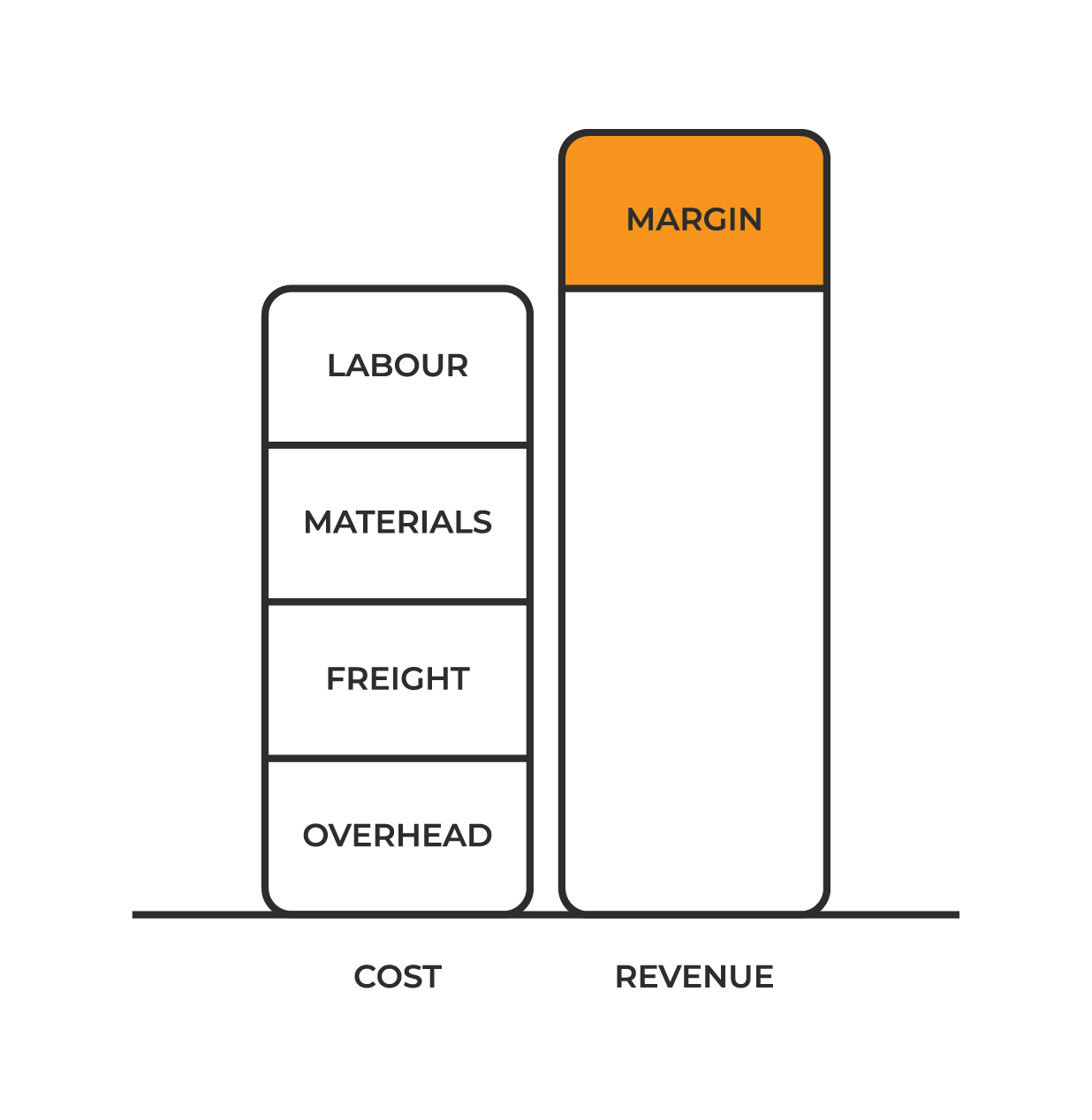
Know your true margin on every job
Track labour, materials, freight, and overheads against each job as the work happens, not weeks later when the invoice lands. You see the real cost of a job while you can still act on it. That visibility tells you which jobs and which customers actually make money, so you can quote the next ones with confidence and walk away from the work that doesn't pay.
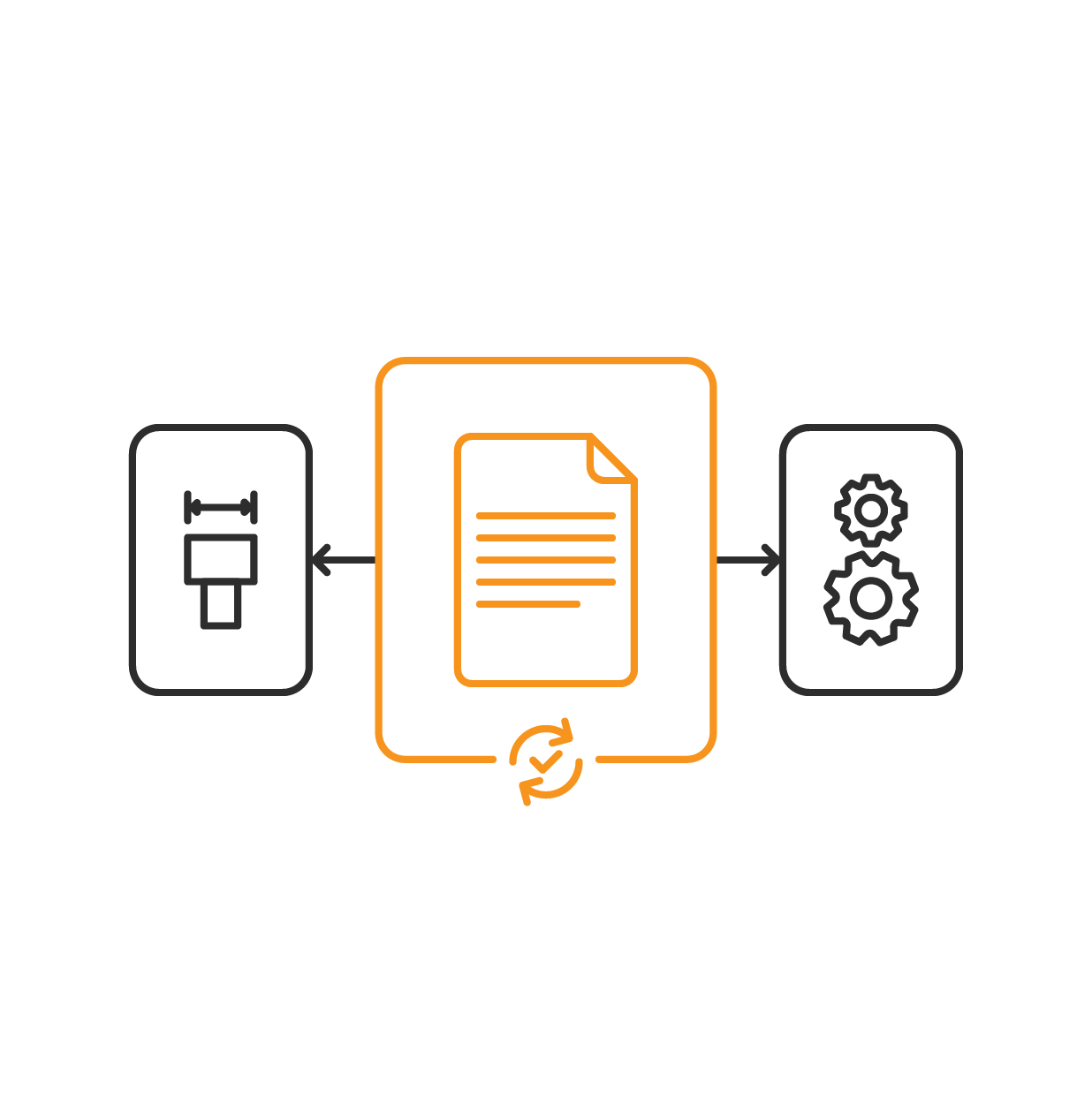
One source of truth, engineering to floor
Work from a central bill of materials that updates the moment engineering makes a change. Everyone builds from the current version, with the right components and quantities every time. When a revision happens, it flows through to purchasing, production, and costing automatically, so the wrong parts don't get ordered and rework doesn't eat into your margin.
Finance and operations on the same numbers
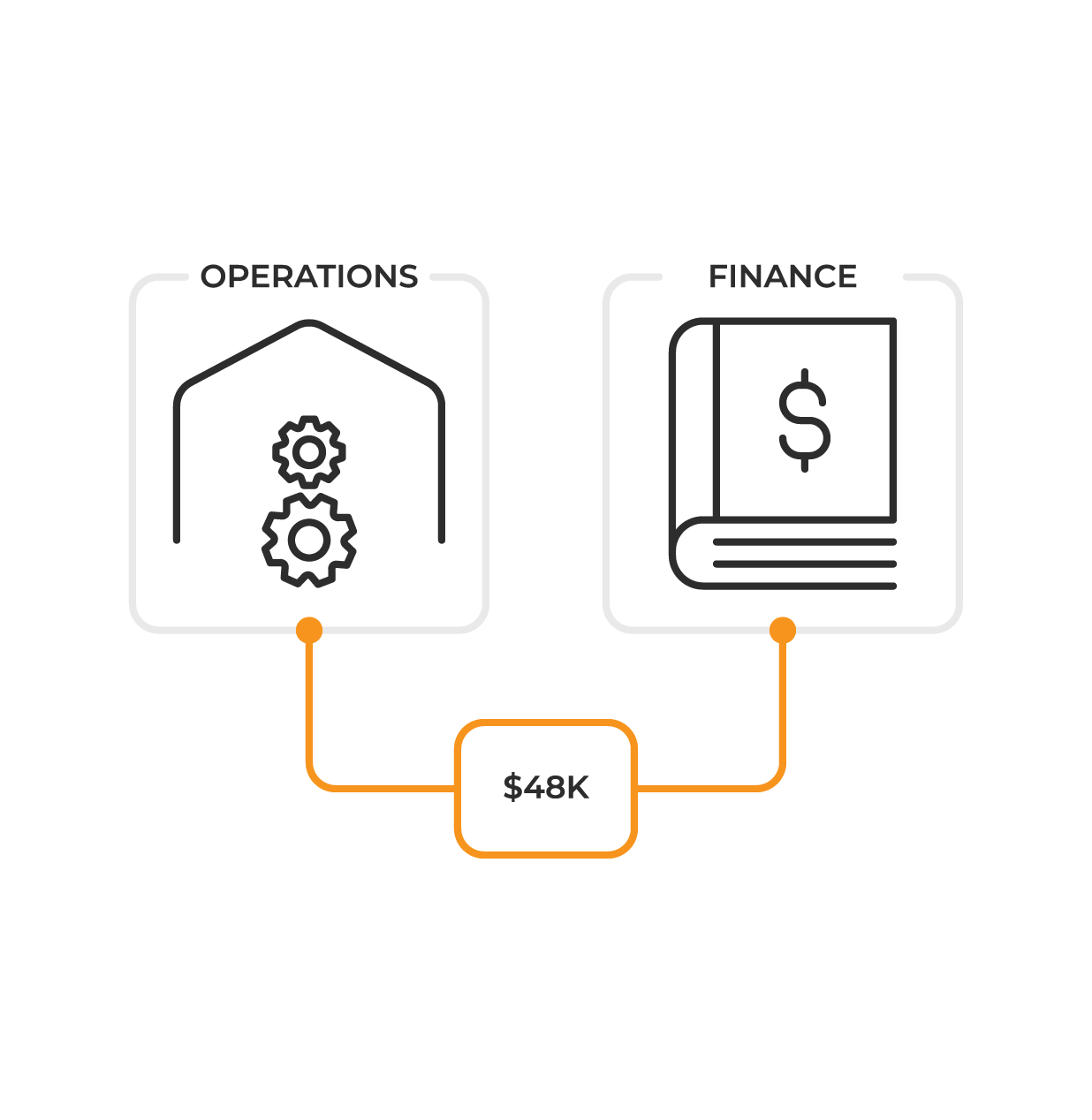
Your financials draw straight from what's happening on the floor, so finance and operations work from the same live data instead of reconciling two versions after the fact. Month-end moves faster, reporting reflects where the business actually is today, and the numbers hold up to scrutiny because they trace back to real jobs and real transactions.
Take on the right work, deliver on time
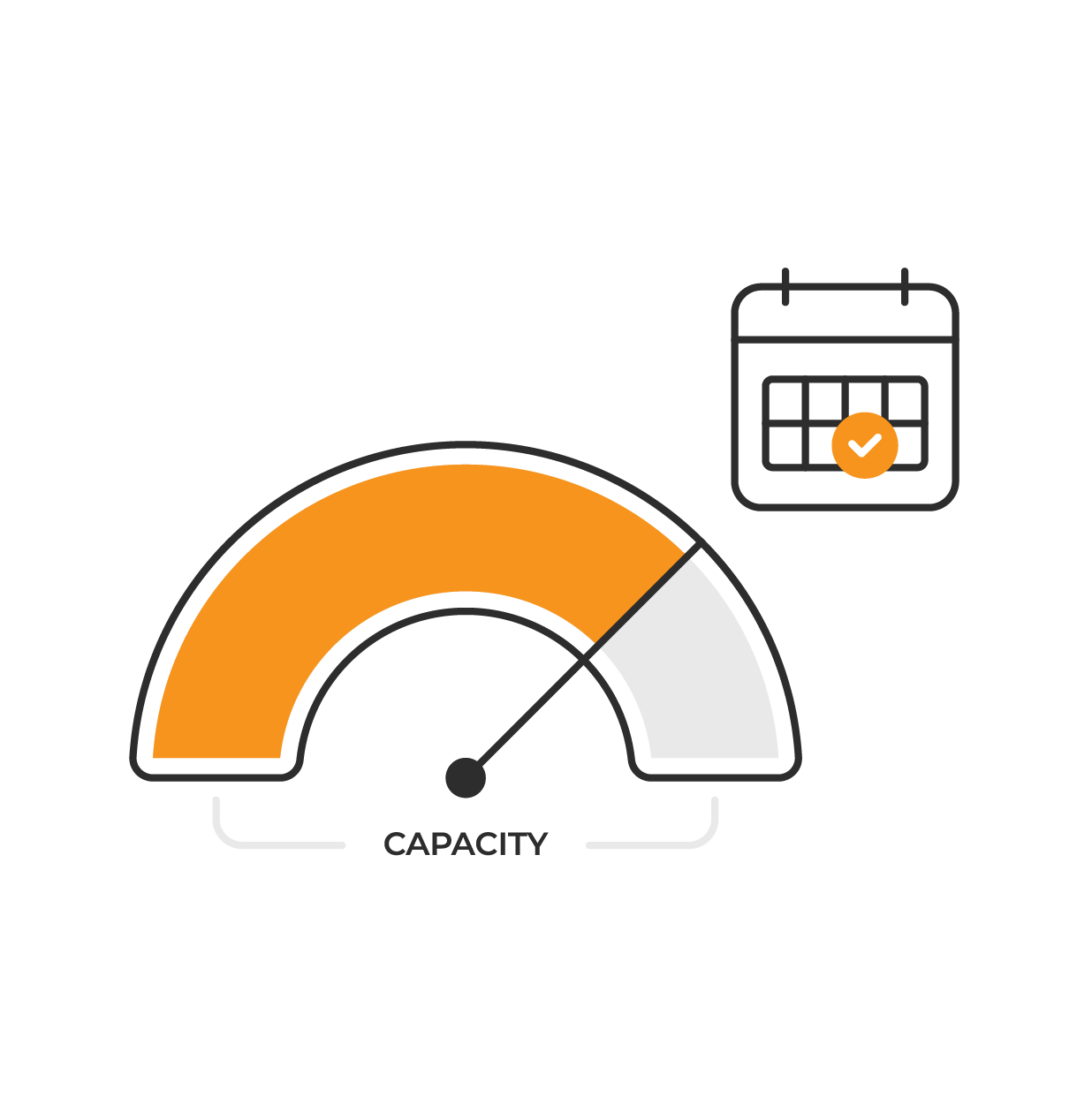
See your true capacity before you commit to a job, so you take on what you can actually deliver. Work is sequenced to real availability across people, machines, and materials. That means finished goods leave on the dates you quoted, and you can say yes to the right new work with a clear view of what it does to your existing commitments.
Two platforms. One partner who knows both inside out.
We implement and support both MYOB Acumatica and Wiise (Business Central). The right platform depends on how your operation runs.

MYOB Acumatica
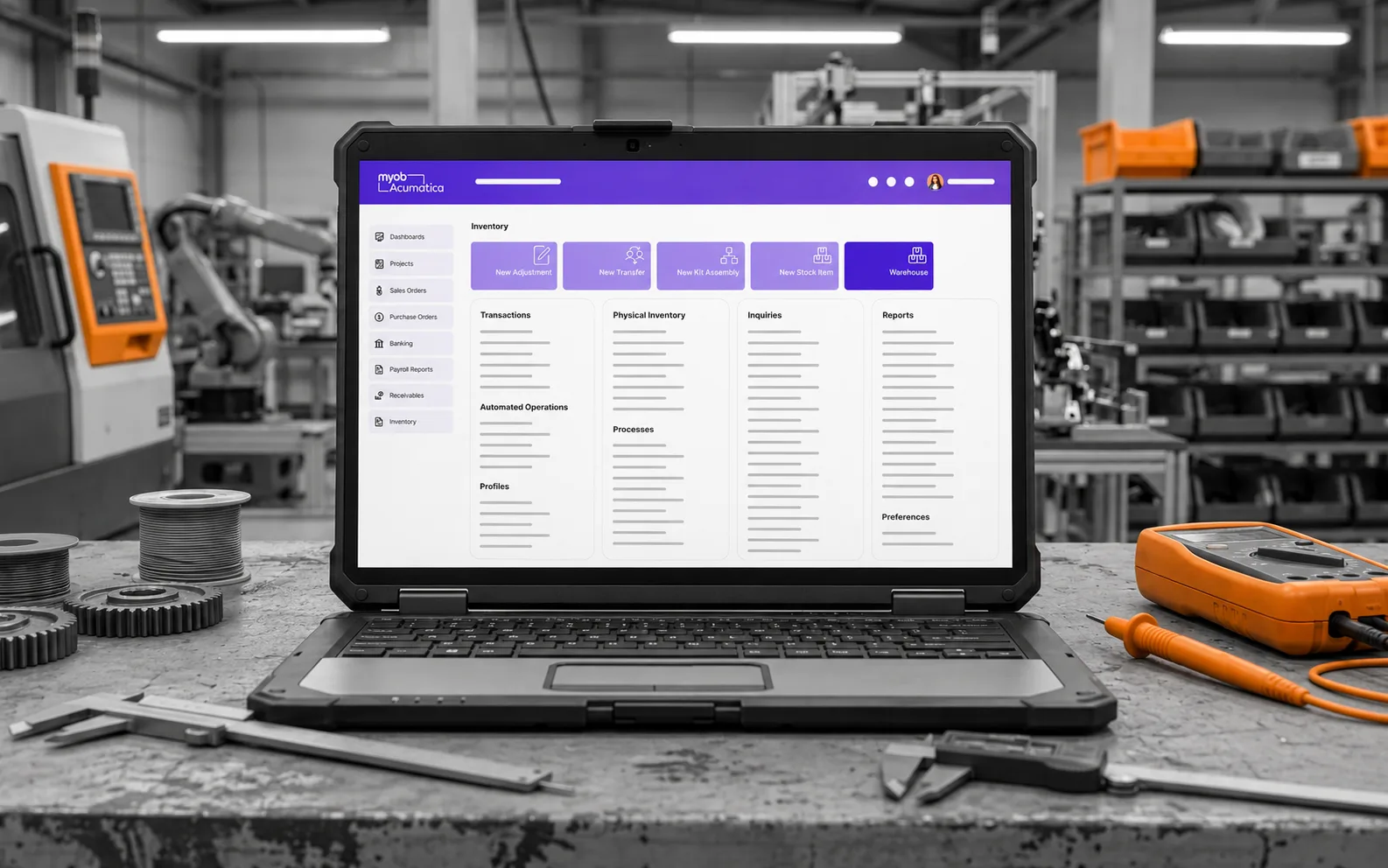
MYOB Acumatica for manufacturers connects your production floor to your finance, all in one system. The No. 1 ERP in Australia. Full-featured cloud business management for complex operations - intuitive, AI-assisted, and rated highest for customer satisfaction on G2. Localised for Australia by MYOB.

Wiise (Business Central)
Cloud ERP built on Microsoft Dynamics 365 Business Central, localised by KPMG. Works natively with Outlook, Teams, Excel and Power BI - with Microsoft Copilot embedded.
Why manufacturers choose Momentum
Manufacturing is our core specialisation, and we understand how these businesses actually run. In 18 years we've delivered more than 300 successful ERP implementations for Australian businesses across industries. From engineer-to-order and configure-to-order through to metal fabrication, make-to-order, and multi-level assembly, we understand how complex Australian manufacturing actually runs.
In my 40+ years dealing with software and service providers, Momentum is easily the best support experience I've ever had.
John BryantFinance Director · ABLP
-
1
Depth that goes beyond the software
Our team understands the stages a manufacturing business moves through as it grows, and the challenges each one brings. We bring that perspective to every decision, because no two operations are the same.
-
2
Support that knows your business
A local team that knows your system and your operation inside out, ready to help whatever the challenge.
-
3
A partner in it for the long haul
Many of our clients have partnered with us for more than a decade. We solve what's in front of you now, and build the roadmap that supports your growth for years after.