As Head of Consulting at Momentum, I spend a lot of my time thinking about ERP projects: how we plan them, how we manage challenges and, most importantly, how we bring people together to achieve a successful outcome.
Recently, I had the opportunity to take on a very different kind of project.
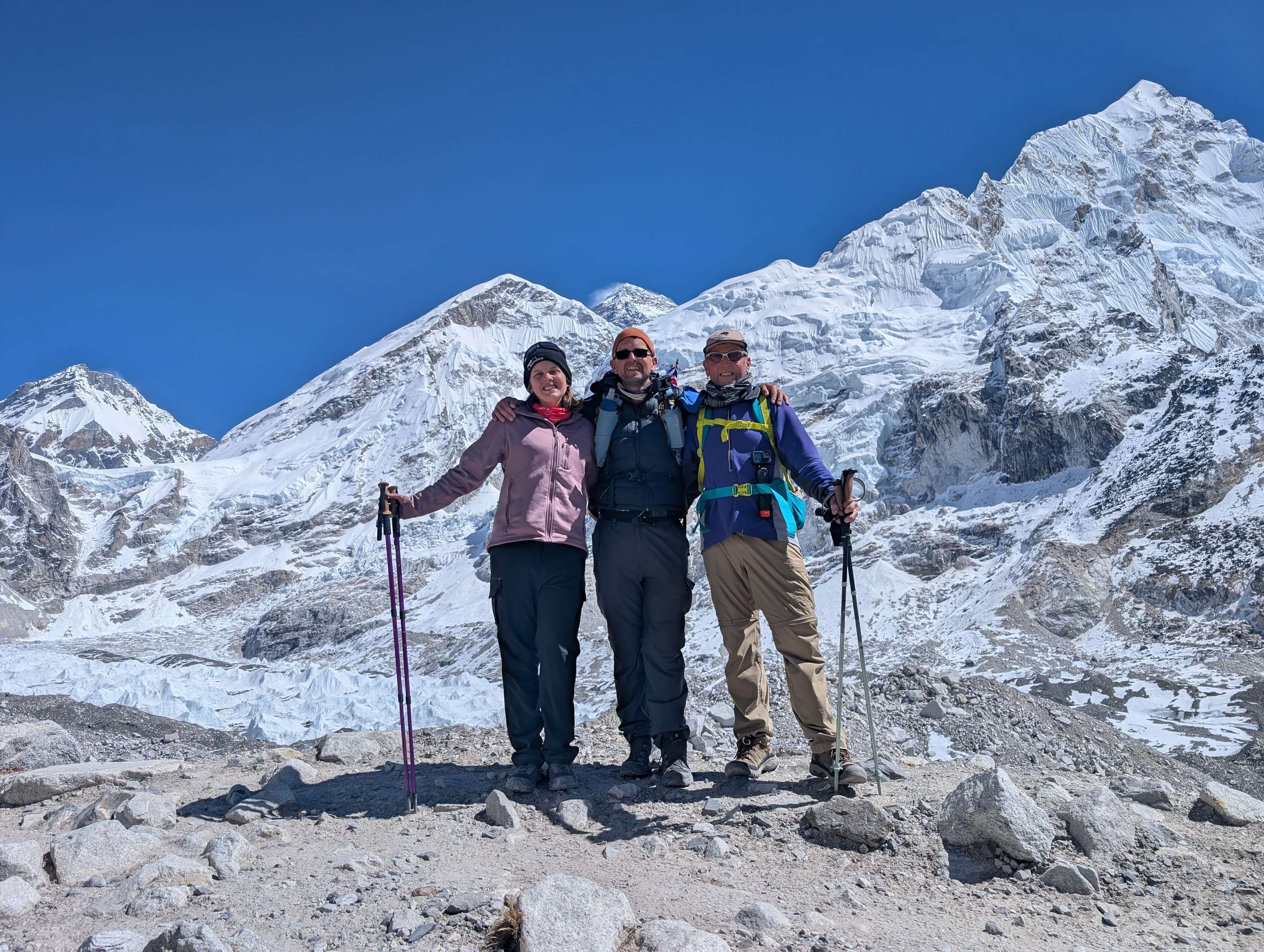
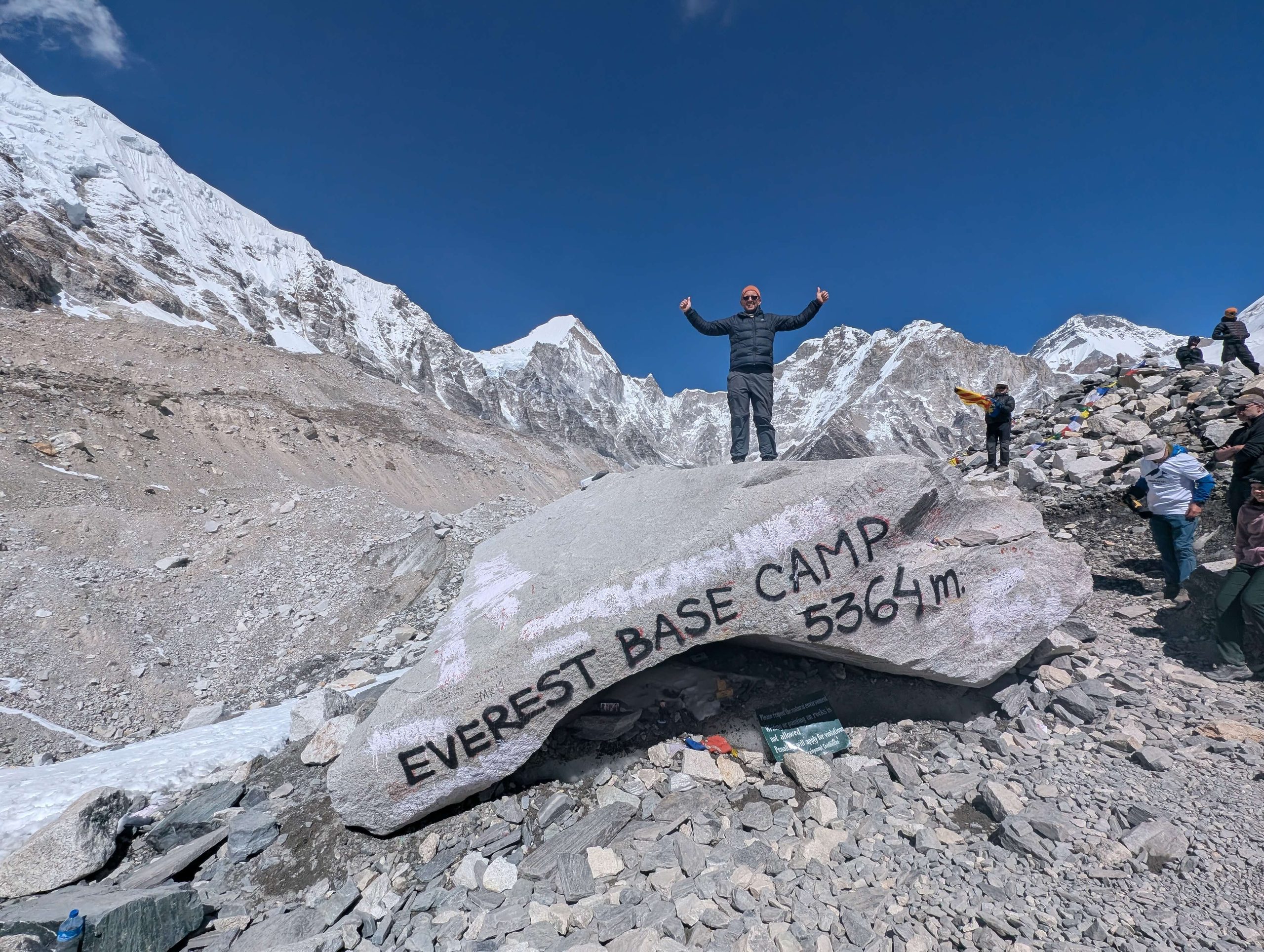
Alongside my 14-year-old daughter and my father, I completed the trek to Everest Base Camp, reaching 5,364 metres on 18 October 2026. Three generations taking on the journey together made it an experience I’ll never forget.
When I returned, I found myself thinking about some of the lessons from the trek and how closely they relate to my day-to-day world of ERP consulting and project delivery.
Because whether you’re trekking to Everest Base Camp or implementing a new ERP system, reaching the destination is only part of the challenge.
How you get there matters.
1. Take it one stage at a time
At altitude, going faster isn’t necessarily better. You need to give your body time to acclimatise and approach the journey in carefully planned stages.
I think there’s an important lesson here for ERP projects.
It can be tempting to try to transform everything at once, but that can create unnecessary complexity for both the project team and the wider business.
Breaking a project into manageable stages gives people time to adapt, keeps the project focused and creates opportunities to learn along the way.
There will always be pressure to get to the finish line, but I’ve found that steady, well-planned progress is often more valuable than simply moving quickly.
2. Recognise the people carrying the load
You don’t trek to Everest Base Camp alone. There are people carrying equipment, preparing the way, sharing their knowledge and doing an enormous amount of work behind the scenes to help everyone reach the destination.
That really resonated with me because ERP projects are much the same.
On the customer side, there are people answering questions, preparing data, testing processes, making decisions and taking on project responsibilities while still managing their day-to-day roles.
Then there’s the implementation team.
Consultants, project managers, developers and support teams are often doing a huge amount of work behind the scenes: solving problems, configuring systems, working through technical challenges and keeping everything moving forward.
A lot of that work isn’t visible, and the people doing it don’t always get the recognition they deserve.
One of my biggest takeaways from the trek was a reminder to recognise the people carrying the load. In an ERP project, that means both sides of the partnership.
Successful implementations aren’t achieved by one person or one organisation. They’re the result of a team of people working towards the same destination.
3. Build some buffer into the plan
Even with careful preparation, you can’t control everything on a trek like this.
Conditions can change, plans need to move and something you thought would be straightforward might take longer than expected.
That’s exactly why you need some flexibility in the plan.
ERP projects are no different.
Data issues emerge. Requirements can be more complicated than anticipated. Key people become unavailable. Testing raises something that needs to be revisited.
I don’t see building contingency into a project as expecting things to go wrong. I see it as recognising that change is part of any significant project and planning accordingly.
A realistic plan gives the team room to respond to the unexpected without losing sight of the bigger objective.
4. Keep checking in
Throughout the trek, regular check-ins were important. They gave us a chance to understand how things were progressing and whether we needed to make adjustments.
That same discipline is essential in ERP projects.
Regular communication gives everyone the opportunity to identify issues early, review priorities, make decisions and ensure the project is still moving in the right direction.
You don’t want to wait until a major milestone to discover that expectations have changed or that a small issue has become a much larger problem.
Consistent communication keeps people aligned and gives the team an opportunity to adjust before problems escalate.
Reaching the destination is only part of the journey
Looking back on the trek, there are plenty of memories I’ll take away from it. But from a professional perspective, it also reinforced something I’ve seen throughout my career in consulting.
ERP transformation can sometimes feel like looking up at a mountain from the bottom.
But you don’t climb a mountain in one step.
You establish the destination, prepare carefully, break the journey into achievable stages, work together as a team and keep checking that you’re heading in the right direction.
There will almost certainly be unexpected challenges along the way.
And you need to keep moving forward, one stage at a time.
That applies whether the destination is Everest Base Camp or a successful ERP implementation.
If you’re planning an ERP project and want to talk it through, our team is happy to help.